The best thing about science is that it starts with a question, not with expensive tools. Here are five experiments we tried with Grades 1–3 in the maker space, and you can repeat them at home with things from the kitchen. The only rule: adults handle hot water and sharp tools, and we never taste the experiments.
1. A cloud in a jar
Fill a clear jar two-thirds with water and put a thick layer of shaving foam on top: that is your cloud. Add drops of blue food colouring onto the foam one at a time, and watch. When the cloud is full, the coloured “rain” starts falling into the water. Ask your child: why didn’t the cloud rain at the first drop?
2. Red cabbage indicator
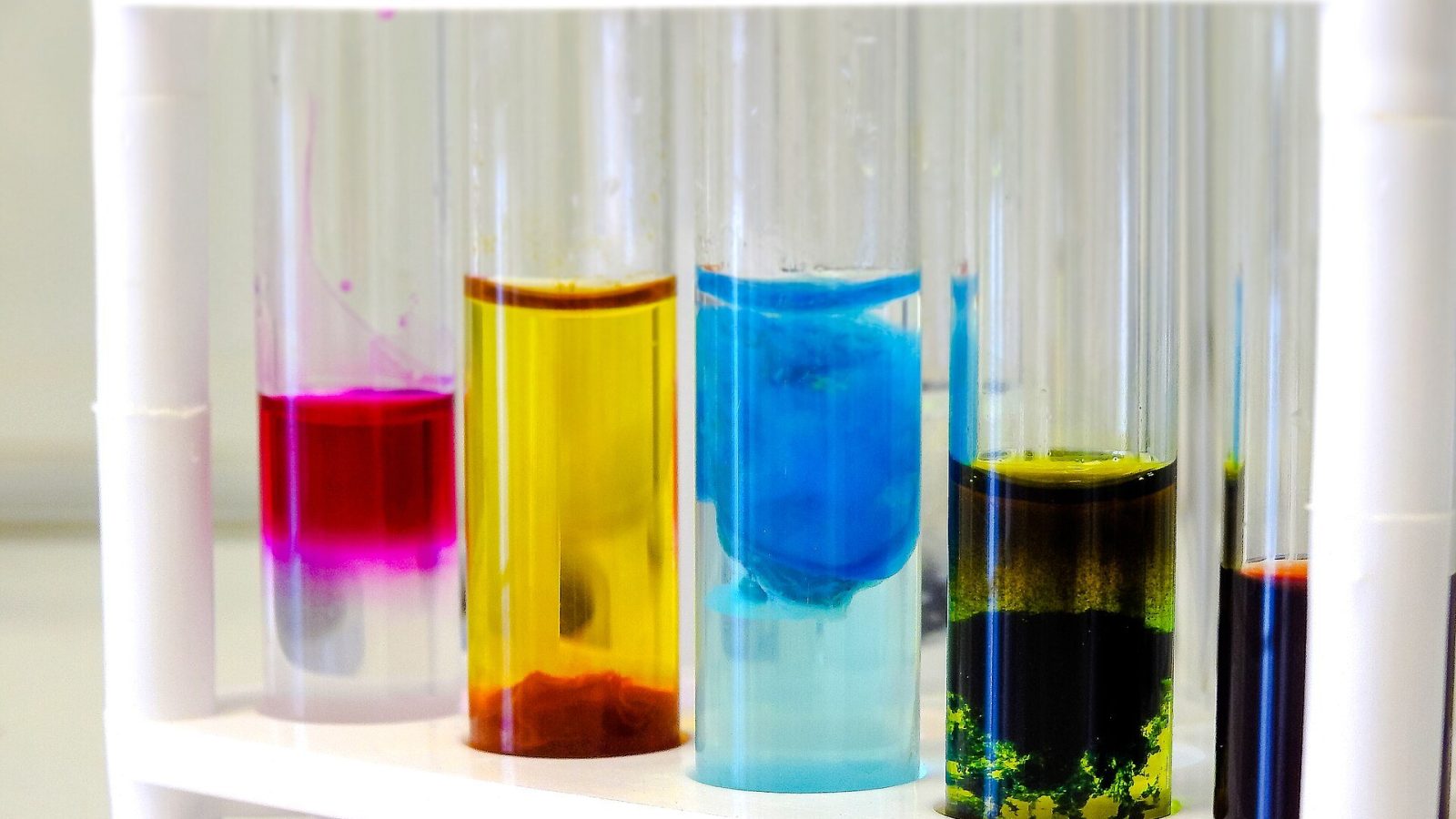
Chop two leaves of red cabbage and soak them in hot water for a quarter of an hour (an adult does this), then strain the purple water into clear glasses. Add a little vinegar to one glass and a teaspoon of baking soda to another, and leave the third as it is. The colour turns pink with vinegar and blue-green with soda, and children discover acids and bases without a single difficult word.
3. A seed in a clear bag
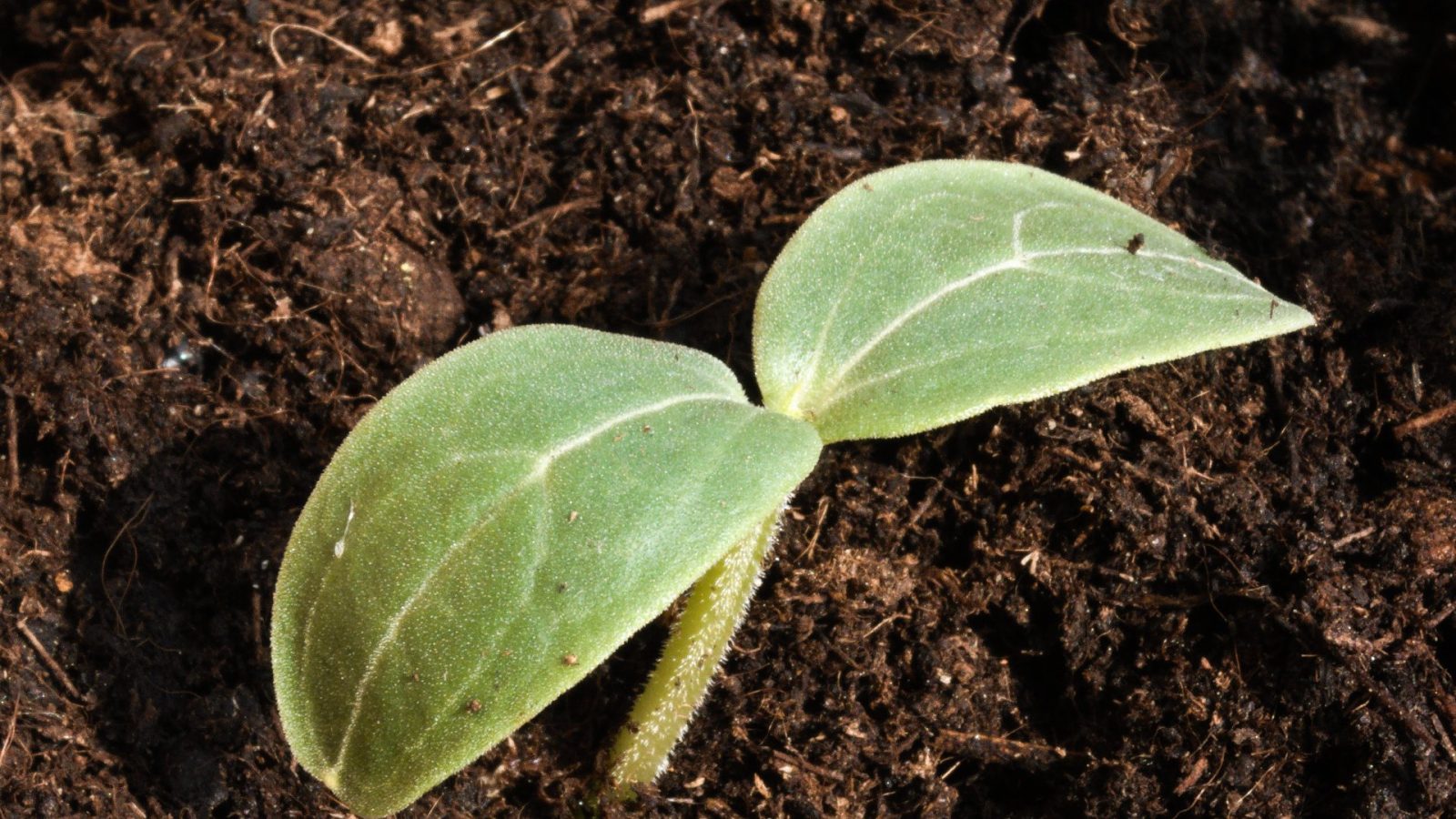
Wet a paper towel and put it in a clear bag with three beans, then tape the bag to a sunny window. Within days the roots appear, then the stem, and your child can draw what they see every morning in a small notebook, just as we do in the science notebook at school.
4. A rainbow in a glass
Prepare four glasses of water and dissolve a different amount of sugar in each: none, then one spoon, then two, then three, and colour each glass differently. Pour the sweetest water into a tall glass first, then the next, slowly, over the back of a spoon. The layers don’t mix, because heavier water stays at the bottom.
5. Dancing raisins
Drop five raisins into a glass of sparkling water and wait a minute. Bubbles stick to the raisins and lift them to the surface, then pop, and the raisins sink again. Ask your child to predict what will happen before you start, then to explain what they saw in their own words.
One question is enough: after each experiment ask “why do you think that happened?” and accept any answer; thinking out loud matters more than the right answer.
Share photos of your experiments with the class teacher: we may put them up in the school corridor.